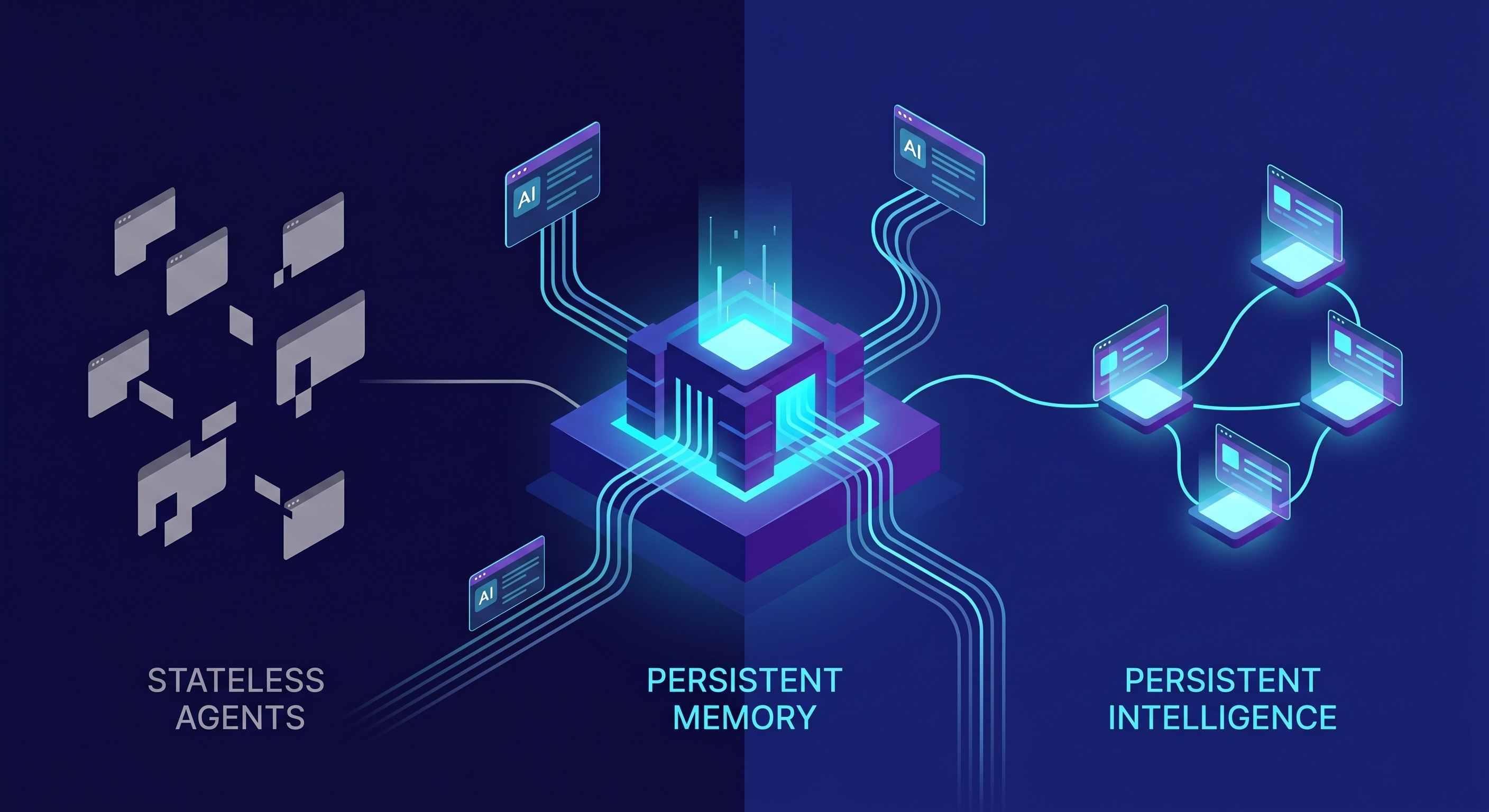
Artificial intelligence is rapidly moving from chat interfaces into operational workflows. AI agents are now being positioned as assistants that can manage tasks, automate communication, analyze information, and support customer engagement across the enterprise.
The excitement is understandable. AI agents are becoming more capable every month.
But there is a major problem hiding beneath the hype.
Most AI agents have no persistent memory.
They can respond intelligently in the moment, but they often lack the long term customer context, identity continuity, and behavioral understanding required to support real enterprise personalization at scale.
This is becoming one of the most important challenges in modern AI infrastructure.
It is also exactly where HELIOS was built to operate.
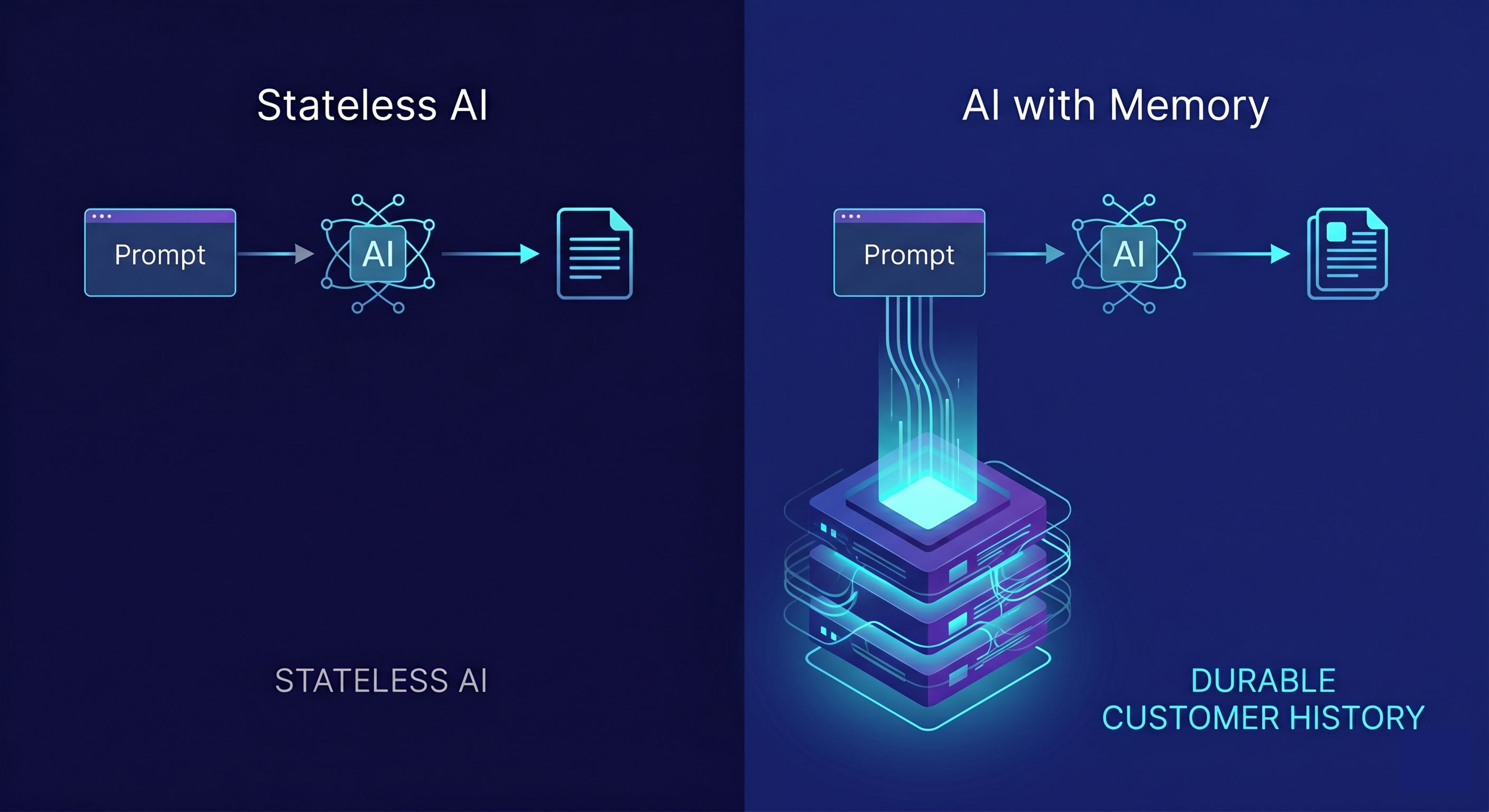
Many AI systems today are highly capable at generating responses, summarizing information, and assisting with workflows. However, most of these systems are fundamentally stateless. They process prompts and produce outputs without maintaining durable customer understanding across time, channels, and interactions.
That distinction matters more than most organizations realize.
An AI agent may know:
But enterprise personalization requires much more:
Without persistent memory, AI becomes reactive instead of strategic.
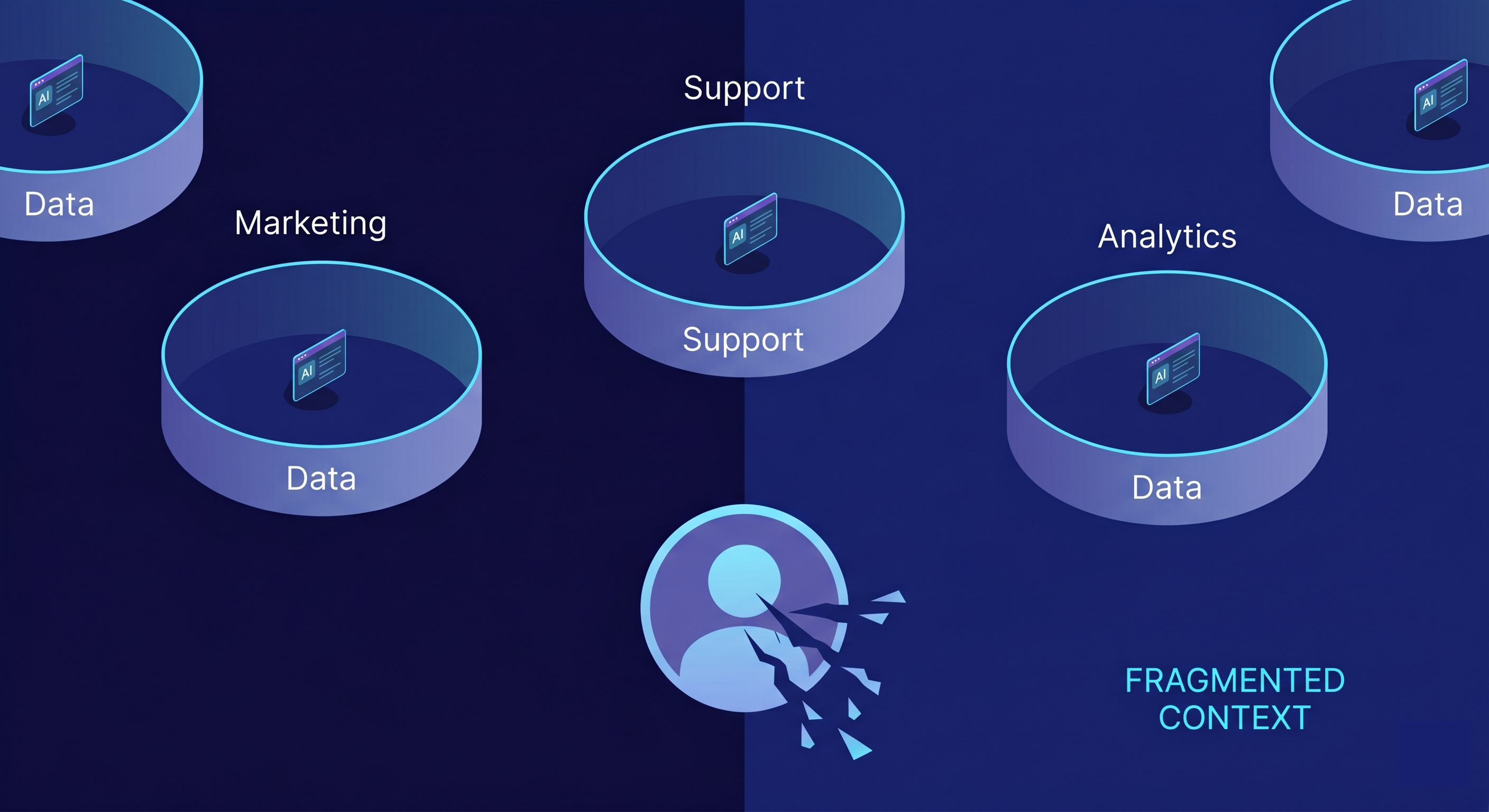
As more organizations deploy AI agents across customer workflows, the fragmentation problem becomes more severe.
One AI tool handles support.
Another handles marketing.
Another handles analytics.
Another handles internal productivity.
Each system may operate intelligently on its own, but without a shared intelligence layer, customer understanding becomes disconnected and inconsistent.
This creates serious enterprise risks:
AI agents become more powerful as interfaces, but less reliable as systems of understanding.
This is where the market is heading next.
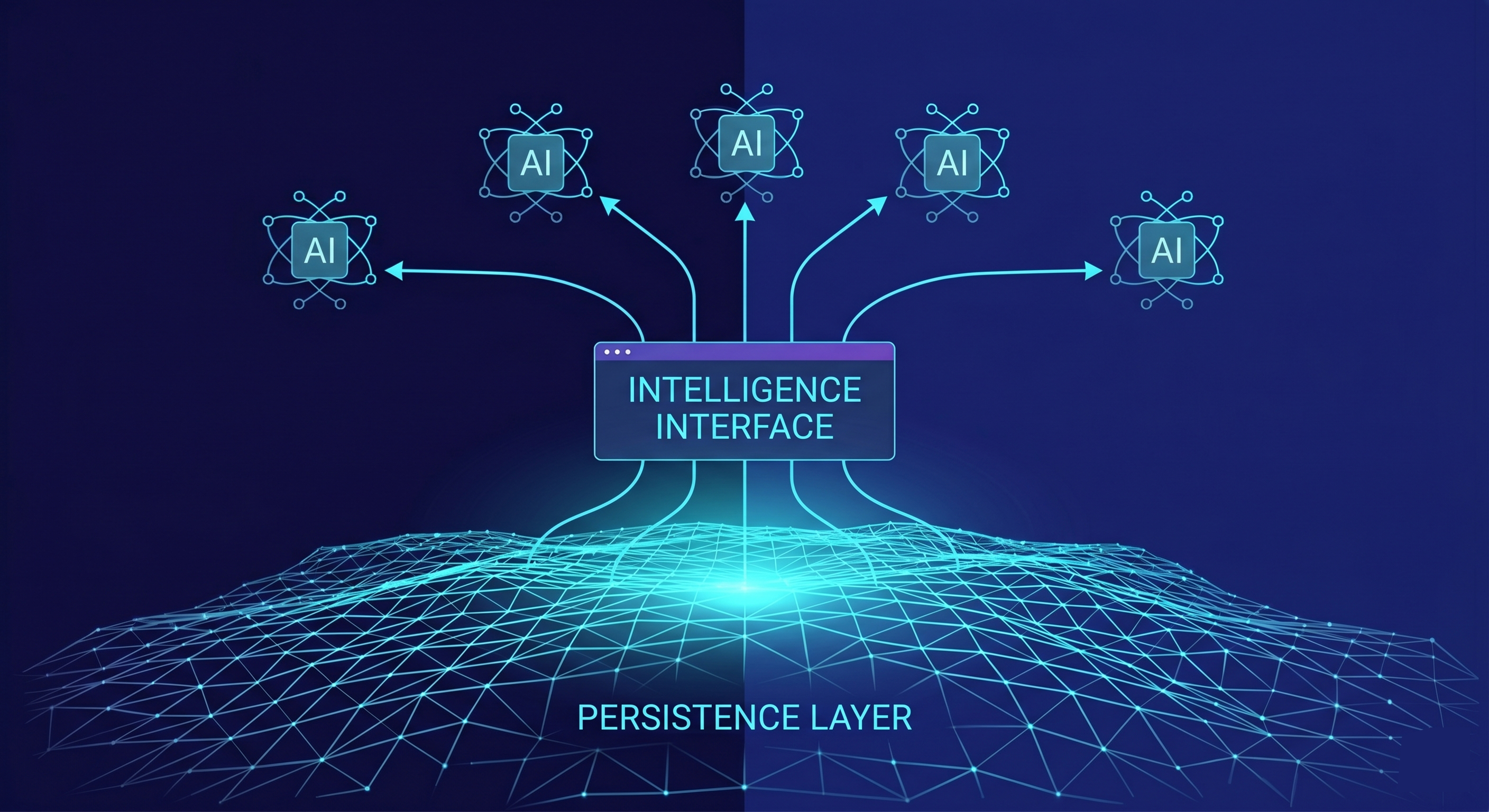
The future winners will not simply deploy AI agents. They will build persistent intelligence systems behind those agents.
HELIOS was designed for this exact role.
HELIOS acts as a persistent intelligence layer that:
This allows AI systems to operate with durable memory instead of isolated prompts.
The result is more accurate personalization, stronger audience understanding, and more reliable engagement outcomes.
The AI market continues to focus heavily on model capability. Faster reasoning, larger context windows, and autonomous workflows dominate headlines.
But for enterprise brands and agencies, the more important question is often simpler:
Does the system actually know the customer?
A highly advanced model without persistent intelligence still lacks continuity. It may generate impressive responses, but it cannot reliably understand long term customer behavior without an underlying memory architecture.
This is why intelligence infrastructure matters.
HELIOS gives organizations a stable foundation where customer understanding persists independently from whichever AI model, assistant, or workflow tool is being used at a given moment.
Models may change.
Interfaces may evolve.
Persistent intelligence remains valuable.
As organizations move deeper into AI powered operations, trust becomes increasingly important.
Enterprises need systems that provide:
HELIOS provides this foundation.
Rather than replacing enterprise systems, AI agents become more effective when connected to infrastructure that preserves memory, context, and business intelligence over time.
This relationship is complementary, not competitive.
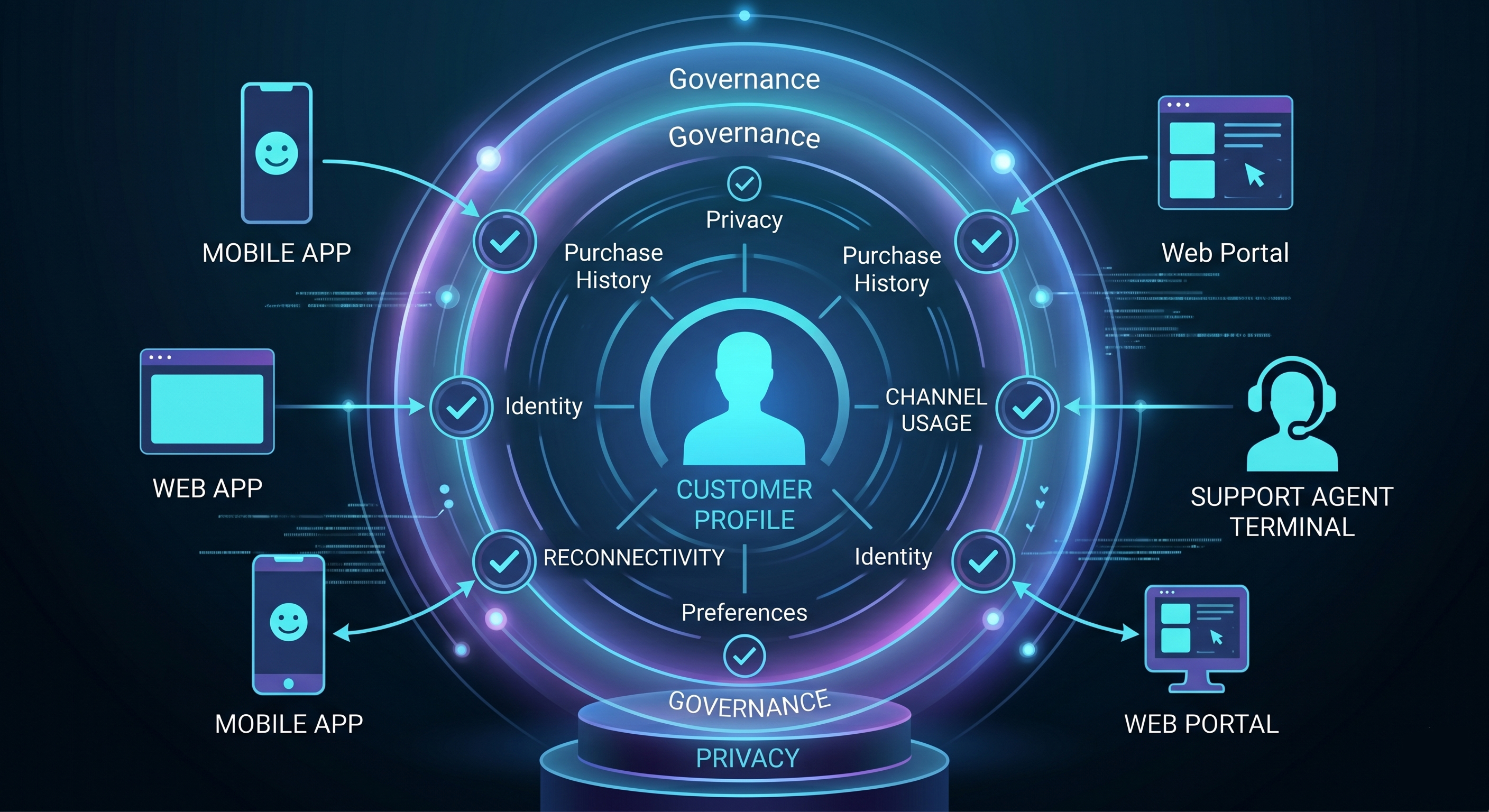
The next phase of AI will not be defined solely by smarter agents. It will be defined by systems that combine AI capability with durable customer understanding.
That is the shift from temporary prompts to persistent intelligence.
HELIOS was built for that future.
It gives brands and agencies the ability to:
In a market filled with increasingly capable AI agents, the organizations that win will be the ones that own the intelligence layer behind them.
AI agents are becoming more powerful every day. But without memory, they remain incomplete for enterprise personalization.
HELIOS solves this problem by providing the persistent intelligence infrastructure that modern AI systems require.
Because the future of AI is not just about generating responses.
It is about remembering who the customer is, what matters to them, and how that understanding evolves over time.